
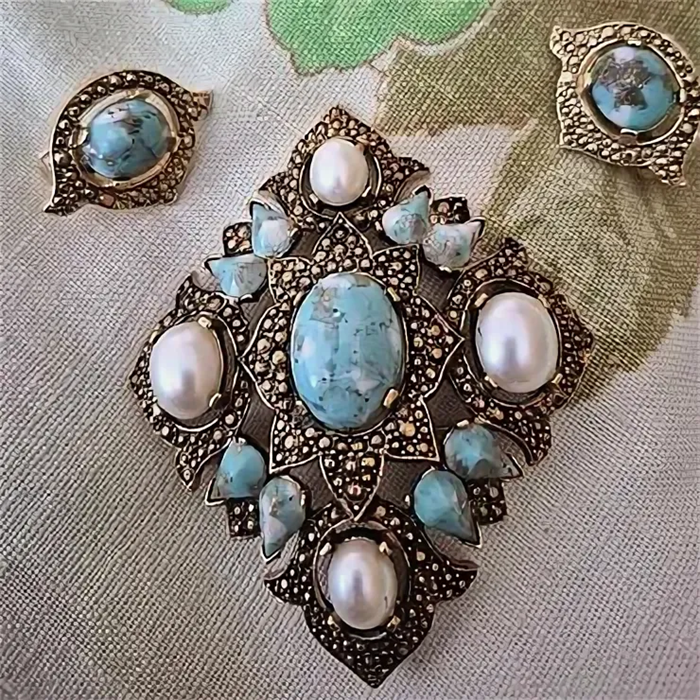
Jewelry with a history is not merely a collection of family heirlooms evoking memories of ancestors; it also represents a high-yield alternative asset class.
Unlike modern mass-produced items, antique and vintage pieces—often referred to as “estate jewelry”—possess artistic value and historical significance. They frequently feature “old-cut” gemstones that are rarely found today. Specialized brokerage firms, such as LuxeBrokersGroup, provide access to an exclusive market of collectors, where prices are determined by provenance, historical era, and craftsmanship. To learn more about the process, visit the organization’s website at https://luxebrokersgroup.com/sell/estate-jewelry/.
The Specifics of the Estate Jewelry Market
The primary challenge in selling antique jewelry lies in accurate valuation. An item’s worth is derived from a multitude of factors that standard jewelry buyers often overlook:
- Provenance—the history of ownership. A piece once owned by a famous figure or crafted in a renowned workshop can be worth many times the value of its gold content alone.
- Gemstone characteristics. Stones cut by hand prior to the 20th century (such as Old European or rose cuts) are prized above modern, mass-produced machine cuts for their unique play of light.
- The condition of enamel, guilloché work, and original clasps.
- A brokerage firm acts as an expert intermediary. Unlike an auction—where the seller pays a high commission and must wait for the bidding process—a broker actively seeks a direct buyer, such as a private collector or a museum.
This allows the transaction to be completed more quickly.
- LuxeBrokersGroup handles the complex aspects of the process: conducting gemological analysis, verifying the authenticity of hallmarks (fineness marks), assessing the condition of the metal and stones, and producing professional photography and videography that highlight the item’s aesthetic appeal.
The Transaction Process
Selling an antique piece of jewelry through professional brokers eliminates the risks associated with private meetings or shipping high-value parcels. The process begins with a remote appraisal. The owner provides high-quality macro photographs of the item, the maker’s marks, the clasps, and any existing certificates. At this stage, the broker identifies the historical period and provides a preliminary price range.
The next step is a physical inspection at the company’s secure office. A jewelry expert and broker uses specialized equipment to verify the item’s age.
The broker assesses the extent to which the piece has retained its original condition—a key pricing criterion in the antiques market.
Once the final price is agreed upon, the legal formalities are completed.